What Is the Healing Timeline After Dental Implant Placement?
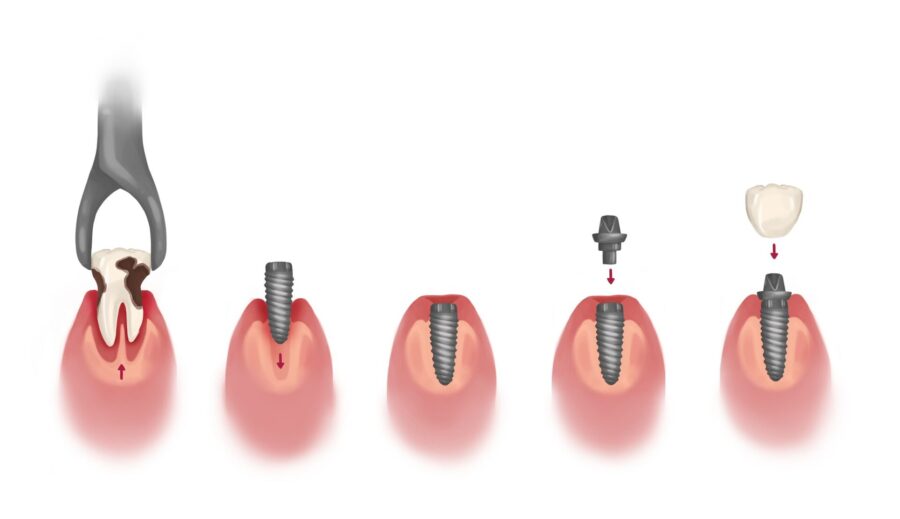
May 22, 2026 9:00 amDental implant placement can feel like a big step, especially when you are trying to picture what happens after the appointment. Most patients know the implant replaces the missing tooth root, but the healing phase is where the real foundation is built. The implant needs time to settle into the jawbone before it can reliably support a crown, bridge, or denture.
The good news is that healing is usually more gradual than dramatic. You may have some soreness, swelling, or tenderness early on, then a longer stretch where the implant quietly bonds with the bone beneath the gums. That waiting period can feel uneventful, but it is one of the most important parts of the process.
At Cullman Cosmetic & Family Dentistry in Cullman, AL, Dr. Jonathan Echols, Dr. James Porter II, Dr. Ashley Holladay, and Dr. Perron Tucker help patients understand what to expect after dental implant placement. Your exact dental implant healing timeline depends on your health, the tooth being replaced, bone quality, whether grafting was needed, and how your body responds to treatment.
The First Day After Implant Placement
The first day is mostly about resting, protecting the area, and following your dentist’s instructions closely. Some bleeding, swelling, and soreness can be normal after implant placement. You may also feel numb for a while if local anesthetic was used during the procedure.
Your dental team will likely give you instructions about gauze, medication, rinsing, eating, brushing, and activity. Follow those directions carefully, even if you feel better than expected. The early hours after treatment help the surgical site begin forming a stable clot and settling down.
Stick with soft, cool, or lukewarm foods at first. Avoid drinking through a straw, smoking, vigorous rinsing, or spitting hard, since those habits can disturb the healing site. If you were prescribed medication, take it as directed.
Plan to take it easy for the rest of the day. A quiet first day gives your body a better chance to start healing without extra irritation or pressure around the implant area.
The First Few Days: Swelling, Tenderness, and Soft Foods
The first few days after dental implant placement are when swelling and tenderness are usually most noticeable. For many patients, swelling peaks around the second or third day, then gradually begins to improve. Soreness should become easier to manage as the days pass.
Soft foods can make this stage much more comfortable. Good options may include yogurt, scrambled eggs, mashed potatoes, applesauce, smoothies eaten with a spoon, oatmeal, pasta, soup that is warm rather than hot, and soft fish. Avoid crunchy, spicy, hard, sticky, or seedy foods that could irritate the area.
Brushing is still important, but the surgical site needs care. You may be asked to avoid brushing directly over the area for a short time or to clean nearby teeth gently. Warm salt water rinses may be recommended after the first day, but avoid forceful swishing unless your dentist says otherwise.
If swelling, pain, or bleeding gets worse instead of better, call Cullman Cosmetic & Family Dentistry. Healing should feel like a slow move in the right direction, not a steady increase in discomfort.
The First Week: Getting Back Into a Routine
By the end of the first week, many patients feel much more comfortable. Soreness is often milder, swelling has usually improved, and eating becomes easier. You may still need to be careful around the implant site, but daily life often feels more normal.
If stitches were placed, they may dissolve on their own or need to be removed, depending on the type used. Your dentist will let you know what to expect. A follow-up visit may be scheduled to check the tissue and make sure the area is healing as it should.
You should still avoid chewing directly on the implant site unless your dentist says it is okay. Even if the gums feel better, the implant is not fully bonded to the bone yet. Too much pressure too soon can interfere with healing.
This is also a good time to keep your home care steady. Clean the rest of your mouth well, follow any rinsing instructions, and avoid smoking or tobacco, which can slow healing and raise the risk of implant problems.
The First Few Weeks: Gum Tissue Starts to Settle
After the first week, the gum tissue continues to heal and settle around the implant area. The surface may look calmer, and tenderness may fade. If you had an extraction or bone graft at the same time, the area may take longer to feel fully normal.
During this stage, it is easy to assume the implant is “done” because the gums feel better. In reality, the deeper healing is still happening under the surface. The bone needs time to bond with the implant in a process called osseointegration.
Your dentist may give you specific instructions about chewing, brushing, flossing, and wearing any temporary tooth replacement. If you have a temporary appliance, it should not rub or put heavy pressure on the implant site.
Call the office if the gums become more swollen, painful, or irritated after they had been improving. A change like that may mean the area needs to be checked.
The Longer Healing Phase: Bone Bonding Takes Time
The longest part of the dental implant healing timeline is the bone-healing phase. During this period, the jawbone grows closely around the implant surface, helping create a stable foundation for the final tooth. This process often takes several months.
Many patients heal for about three to six months before the final restoration is placed, though the timeline can vary. Some cases move faster, while others need more time because of bone grafting, health conditions, the implant location, or the number of implants placed.
This waiting period can feel quiet because there may not be much to see or feel. That does not mean nothing is happening. The implant is gaining stability beneath the gums, and your dentist is watching for signs that it is ready for the next step.
Dr. Echols, Dr. Porter, Dr. Holladay, or Dr. Tucker can explain your expected timeline based on your case. A front tooth, back molar, single implant, full-arch case, or grafted site may all heal on different schedules.
What If You Needed a Bone Graft?
A bone graft can change the implant healing timeline. Bone grafting may be recommended when there is not enough healthy bone to support an implant or when a tooth extraction leaves an area that needs more support.
Sometimes bone grafting is done before implant placement, and the graft heals for several months before the implant can be placed. Other times, a graft may be placed at the same time as the implant. The timing depends on how much bone is needed and the condition of the area.
If you needed a graft, your dentist may be more cautious about when chewing pressure is allowed and when the final crown can be placed. The extra time is not a setback. It is part of building a stronger foundation.
Patients often want the process finished quickly, which is understandable. However, rushing a grafted site can work against the long-term goal. A stable implant needs healthy bone around it.
When Can the Final Crown Be Placed?
The final crown is placed after the implant has healed enough to support chewing forces. Before that happens, your dentist will check implant stability, gum health, bite, and the shape of the surrounding tissue.
In many cases, the crown is placed a few months after implant surgery. The exact timing depends on how well the implant integrates with the bone and whether additional procedures were part of the treatment plan.
The final crown is custom-made to fit your bite and blend with your surrounding teeth. For front teeth, appearance and gumline shape are especially important. For back teeth, strength and chewing comfort are major priorities.
Once the crown is placed, the implant can begin functioning more like a natural tooth. Even then, it still needs careful cleaning and regular checkups to keep the gum and bone around it healthy.
Can You Get a Tooth the Same Day as the Implant?
Some patients may be candidates for a temporary tooth on the same day as implant placement, but not everyone is. This is sometimes called immediate loading or same-day tooth replacement, depending on the case.
Same-day teeth require the right conditions. The implant must have strong initial stability, the bone must be healthy enough, and the bite must be controlled so the temporary tooth does not take too much pressure too soon.
In other cases, it is safer to let the implant heal under the gums or with a temporary appliance that does not stress the implant. This may be recommended when the site is grafted, the bone is softer, the bite is strong, or the implant is in an area that handles heavy chewing.
If you want a tooth right away, ask during your consultation. Your dentist can explain whether that is realistic for your mouth or whether a staged approach would be more predictable.
What Can Slow Down Implant Healing?
Several factors can slow dental implant healing. Smoking or tobacco use is one of the biggest concerns because it can reduce blood flow, irritate tissues, and increase the risk of implant complications.
Uncontrolled diabetes, gum disease, poor oral hygiene, certain medications, heavy clenching or grinding, and inadequate bone support can also affect healing. These factors do not always mean an implant is impossible, but they may require extra planning.
Chewing on the implant too early can also interfere with healing. Even if the area feels fine, the bone may not be ready for pressure. Follow your dentist’s instructions about what and where to chew.
If you know you grind your teeth, tell your dentist before treatment. A nightguard may be recommended after the implant is restored to protect the crown and surrounding bone from heavy force.
What Helps Implant Healing Go Smoothly?
Good healing starts with following the instructions from your dental team. Take medications as directed, eat soft foods early on, keep the mouth clean, and avoid habits that disturb the surgical site.
Hydration, rest, and a balanced diet can also support recovery. Protein, vitamins, and minerals help the body repair tissue. If eating is uncomfortable for a few days, choose soft foods that still offer nutrition instead of relying only on sweets or snack foods.
Oral hygiene is important, but it should be gentle around the implant site at first. Your dentist may recommend a rinse, specific brushing instructions, or a follow-up cleaning schedule to keep bacteria under control.
Keeping follow-up appointments is also part of healing well. These visits allow your dentist to monitor the gum tissue, implant stability, bite, and next steps.
What Is Normal During Healing?
Mild soreness, swelling, bruising, and tenderness can be normal after implant placement. Some patients also notice tightness in the gums or jaw soreness from keeping the mouth open during treatment.
These symptoms should gradually improve. Most early discomfort is manageable with the instructions and medication plan provided by your dental team.
It is also normal for the area to feel “different” while it heals. If you have a temporary tooth or appliance, it may take time to adjust. If the implant is healing under the gums, you may not notice much after the first few weeks.
Normal healing should trend toward improvement. If you are not sure whether something feels right, call the office rather than waiting and worrying.
When Should You Call the Dentist?
Call Cullman Cosmetic & Family Dentistry if you have heavy bleeding, swelling that keeps getting worse, severe pain, fever, pus, a bad taste that does not improve, or a temporary appliance that rubs the surgical site.
You should also call if the implant area suddenly feels worse after it had been improving. New pain, swelling, or looseness should be checked. While some tenderness is normal, a sharp change deserves attention.
If your bite feels off or you accidentally chew hard on the implant area, let the office know. Your dentist may want to check that the implant site has not been stressed.
Patients sometimes worry about calling too soon, but it is better to ask. A quick conversation can help determine whether what you are experiencing is part of normal healing or needs an appointment.
How to Eat During the Healing Timeline
Eating after implant placement is usually easiest when you move in stages. The first day or two often calls for soft, cool, or lukewarm foods. As soreness improves, you can gradually add more texture, depending on your dentist’s instructions.
Avoid chewing directly on the implant site until you are told it is safe. Even if food feels soft, pressure can still transfer to the healing area. Chewing on the opposite side may be recommended for a while.
Skip hard, crunchy, sticky, and seedy foods early on. Popcorn, chips, nuts, hard bread, tough meat, sticky candy, and small seeds can irritate the surgical area or get trapped near the gums.
Once the final crown is placed and your dentist confirms the implant is ready for normal function, you can usually return to a more normal diet. Even then, avoid using the implant crown, or any tooth, as a tool for opening packages or biting hard objects.
How to Clean Around the Implant While It Heals
Cleaning instructions may change throughout the healing timeline. At first, you may need to avoid brushing directly over the surgical site and clean nearby teeth gently. Your dentist may recommend a rinse to help keep the area clean without aggressive brushing.
As the gums heal, you will gradually return to more normal brushing. Once the final crown is placed, cleaning around the implant becomes a daily habit. The implant cannot get a cavity, but the gum and bone around it can become inflamed if plaque builds up.
Special floss, interdental brushes, or a water flosser may be recommended once healing allows. The best tool depends on the shape of the crown, the gumline, and how much space exists between the teeth.
Dr. Echols, Dr. Porter, Dr. Holladay, or Dr. Tucker can show you how to clean around your implant so you feel confident caring for it at home.
Why Follow-Up Visits Are Part of the Timeline
Follow-up visits give your dentist a chance to make sure healing is moving in the right direction. They may check the gums, review symptoms, remove stitches if needed, adjust a temporary appliance, or take images to evaluate the implant area.
These visits are not just formalities. They help your dentist decide when the implant is ready for the next step and whether any part of the plan needs adjustment.
Once the final crown is placed, follow-up still matters. Your dentist will check the bite, crown fit, gum tissue, and signs of inflammation around the implant during routine visits.
Dental implants can be long-lasting, but they are not maintenance-free. Regular checkups help protect the investment and keep the surrounding tissues healthy.
Dental Implant Healing Timeline in Cullman, AL
The healing timeline after dental implant placement usually includes a few days of soreness and swelling, a few weeks of gum tissue healing, and several months of bone integration before the final crown is placed. Some patients heal faster, while others need more time because of bone grafting, health factors, or the location of the implant.
At Cullman Cosmetic & Family Dentistry in Cullman, AL, Dr. Jonathan Echols, Dr. James Porter II, Dr. Ashley Holladay, and Dr. Perron Tucker can explain your expected timeline before treatment begins. They will consider your bone support, gum health, medical history, bite, and restoration plan so you know what to expect at each stage.
If you are missing a tooth or preparing for dental implant placement, schedule a consultation with Cullman Cosmetic & Family Dentistry. A clear treatment plan can help you move through the implant process with more confidence and fewer surprises.
FAQs
How long does it take to heal after dental implant placement? Many patients need several months for the implant to integrate with the jawbone before the final crown is placed. Early gum healing may happen in a few weeks, but bone healing usually takes longer.
How painful is dental implant healing? Most patients have soreness, swelling, or tenderness for the first few days. Discomfort should gradually improve with the aftercare instructions and medication plan provided by your dentist.
When can I eat normally after a dental implant? You will usually start with soft foods and avoid chewing directly on the implant site. Normal eating typically resumes after your dentist confirms the implant is healed and the final crown is ready for regular chewing.
Why do dental implants take months to heal? The implant needs time to bond with the jawbone through osseointegration. This bone-healing phase creates the stable foundation needed for the final crown.
Can I get a crown right after implant placement? Some patients may qualify for a temporary tooth the same day, but not everyone is a candidate. The implant needs strong initial stability, healthy bone, and controlled bite pressure.
What can delay dental implant healing? Smoking, uncontrolled diabetes, gum disease, poor oral hygiene, certain medications, heavy clenching or grinding, and chewing on the implant too soon can all affect healing.
When should I call the dentist after implant placement? Call if you have heavy bleeding, worsening swelling, severe pain, fever, pus, a bad taste that does not improve, looseness, or a temporary appliance that rubs the surgical site.
Image from Authority Dental under CC 2.0
Categorised in: Dental Implants