How Seasonal Changes Can Affect Your Oral Health
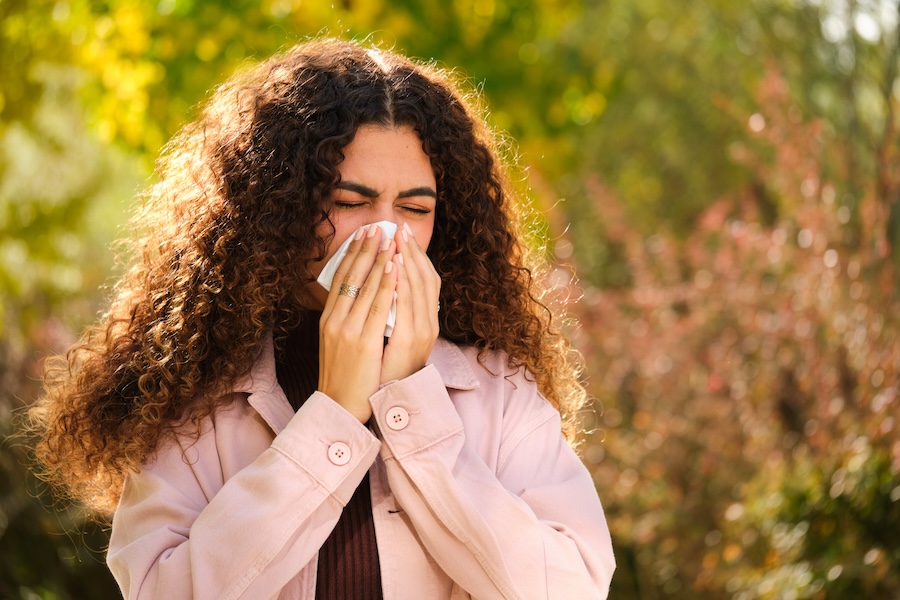
October 7, 2026 9:00 amA stuffy nose can leave you breathing through your mouth at night, and an allergy medicine may leave it feeling even drier. Then the first chilly morning brings a sting from a tooth that already reacted to iced drinks. Seasonal changes and oral health overlap through symptoms, medications, and shifting routines. Some changes respond to home care, while recurring tooth pain needs an examination to find the cause.
At your next visit to Cullman Cosmetic & Family Dentistry in Cullman, Alabama, include the seasonal changes you have noticed. Mention when the dryness started, any new allergy products, and whether that tooth also hurts with chewing. We can check for dental problems and discuss the habits or medications that may contribute. If a medical condition needs evaluation, we will explain when to follow up with your medical clinician.
Mouth Breathing and Dry Mouth
When your nose is congested, you may breathe through your mouth overnight and wake needing a drink. Drier indoor air can also leave lips and mouth tissues feeling less comfortable. That feeling does not necessarily mean the weather has reduced your saliva production. Persistent dry mouth can have medication-related or medical causes as well, so we review how often it happens and what else has changed.
Throughout the day, saliva clears food, neutralizes acids, and supplies minerals that help protect teeth. When saliva stays reduced, cavities can become more likely and eating dry foods may feel difficult. Mention needing water to swallow crackers or feeling sticky throughout the day. We can assess the tissues and discuss preventive measures while the cause is evaluated.
Regular water and a clean humidifier may help with comfort, particularly when the air is dry. Sugar-free gum can stimulate saliva for some patients who can chew comfortably. Meanwhile, fluoride or saliva-support products may be recommended based on your findings. Ongoing symptoms can also call for medical follow-up rather than relying on water alone.
Allergy Medicines Can Leave You Dry
Some allergy medications can reduce saliva or cause a dry feeling. For example, you might notice it after starting a daily antihistamine or adding another product for congestion. At the same time, nasal blockage can lead to more mouth breathing. Those effects can overlap, so include nonprescription products on the medication list you bring to your appointment.
We can check whether the dryness has changed your cavity risk and discuss dental protection. If a medication may be contributing, review alternatives or adjustments with your prescribing clinician or pharmacist. Continue medications as instructed while arranging that discussion. Stopping treatment yourself may leave the underlying condition unmanaged.
Sinus pressure can also cause aching around the upper back teeth. If that is the case, it will often go away if you take an allergy medicine with a decongestant (like Zyrtec-D or Claritin-D). However, a cavity, crack, or infection can produce pain in that same area. Contact us if the discomfort stays in one tooth, hurts with biting, or continues after congestion improves. We will examine the dental causes rather than assume every upper-tooth ache comes from allergies.
Tooth Sensitivity in Cold Weather
You step outside on a chilly morning and feel a quick sting when you breathe through your mouth. Exposed roots, worn enamel, or damaged tooth structure can make temperature changes uncomfortable. In that case, the cold air may reveal a problem that developed before the weather changed. It can also bring back sensitivity you had already noticed with iced drinks.
When you describe the sensation, mention how long it lasts and whether chewing or hot drinks trigger it as well. A brief twinge and pain that continues afterward can lead to different tests and treatment. We may recommend sensitivity toothpaste, fluoride, covering an exposed area, or repairing decay or damage. The tooth’s condition determines which option fits.
If you have begun steering cold drinks toward the other side of your mouth, bring that up. It helps us identify the area bothering you even if it looks unchanged. Avoid repeatedly testing the tooth with cold or biting pressure while waiting for the visit. We can evaluate it and explain what is causing the reaction.
Seasonal Drinks Can Extend Sugar Exposure
Hot chocolate and flavored coffees often return to our menus when the temperature drops. A mug refilled through the evening can keep supplying sugar long after dinner. Throughout that stretch, plaque bacteria receive sugar they can use to produce acids. Acidic ingredients can also affect enamel directly.
Finishing the drink within a shorter period and choosing water afterward gives the mouth a break. The same applies to desserts or snacks that stay out during gatherings. You can enjoy a serving with a meal rather than return to it repeatedly. Frequency is part of cavity risk alongside what you eat, fluoride exposure, and your cleaning habits.
If warm drinks have replaced your usual water bottle, notice whether you are drinking less plain water during the day. Keeping water available can help rinse away residue and improve comfort when your mouth feels dry. After acidic drinks, rinse and allow time before brushing. Then continue your regular fluoride-toothpaste routine rather than scrubbing after every sip.
Busy Evenings Can Push Cleaning Aside
School events, travel, and holiday plans can leave tooth cleaning until you are nearly asleep. When cleaning keeps getting skipped, plaque has more time to collect around the gums and dental work. Keeping your toothbrush and between-teeth cleaning supplies together can make it easier to finish the routine. If you travel, pack the tools you normally use rather than relying on whatever is available when you arrive.
Retainers and nightguards need their cases and cleaning supplies as well. A weekend away can turn into several missed nights if the appliance stays at home. Bring it along and follow your wear instructions. If it starts fitting differently, contact us before forcing it into place.
Professional visits can slip during this stretch, so check whether your next cleaning is on the calendar. During that appointment, we can also review dryness, gum changes, or sensitivity that has developed. For persistent pain, swelling, a broken tooth, or a sore that has not healed after about two weeks, arrange an earlier evaluation. Swelling with trouble breathing or swallowing requires emergency medical care.
Seasonal Dental Care in Cullman, AL
When you visit us at Cullman Cosmetic & Family Dentistry in Cullman, Alabama, mention whether symptoms continue after congestion improves or when you are indoors. Bring your medication list, including allergy products you buy without a prescription. Dr. Jonathan Echols, Dr. James Porter II, Dr. Ashley Holladay, or Dr. Perron Tucker can evaluate the symptoms and discuss dental care or medical follow-up.
For recurring sensitivity or persistent dryness, contact us to arrange an appointment rather than waiting for another change in the weather. We can assess the affected teeth and review ways to protect them between visits. We look forward to helping you enjoy your fall meals without working around a sore tooth!
Categorised in: Dental Tips, Tooth Sensitivity